



The offshore oil and gas industry remains one of the most challenging and technologically demanding sectors globally. The harsh environmental conditions, high operational costs,...
The global shift toward energy security and the lower-carbon transition is fundamentally reshaping regional offshore licensing and policy frameworks. By introducing competitive production-sharing models and transparent regulatory reforms, nations across Asia and other emerging markets are seeking to revitalize upstream investment while ensuring sustainable resource management.
Maintaining the structural health and operational continuity of subsea transport networks relies on evolving offshore pipeline integrity and flow assurance trends. By integrating advanced corrosion monitoring and sophisticated hydrate prevention systems, operators can ensure the reliable delivery of hydrocarbons while minimizing environmental risks in deepwater environments.
The adoption of modular offshore facilities is revolutionizing maritime infrastructure by shifting construction to onshore yards and streamlining installation schedules. This strategic use of prefabrication and modular platforms enables significant offshore CAPEX reduction while maintaining high standards of engineering design and safety.
Maintaining peak production in maturing maritime fields requires the strategic application of offshore well intervention technologies designed to revitalize underperforming assets. By utilizing riserless methods and lightweight intervention systems, operators can significantly lower the cost of subsea maintenance while extending the economic life of mature offshore wells.
The modern digital oilfield relies on integrated offshore data platforms to unify disparate information streams and provide a holistic view of maritime operations. By leveraging predictive analytics and real-time reservoir insights, these systems enable more precise decision-making that optimizes production efficiency and enhances safety in remote environments.
The acceleration of global climate initiatives has placed a spotlight on offshore carbon capture storage project deployment as a vital tool for industrial decarbonization. By utilizing depleted oil and gas reservoirs and advanced subsea injection systems, the industry is creating a reliable framework for the permanent sequestration of greenhouse gases beneath the seafloor.
The national energy company from Türkiye, Turkish Petroleum - TPAO has gotten into a new strategic cooperation framework along with BP, the U.K.-based energy group, covering joint work in oil & natural gas projects throughout many regions, Alparslan Bayraktar,...
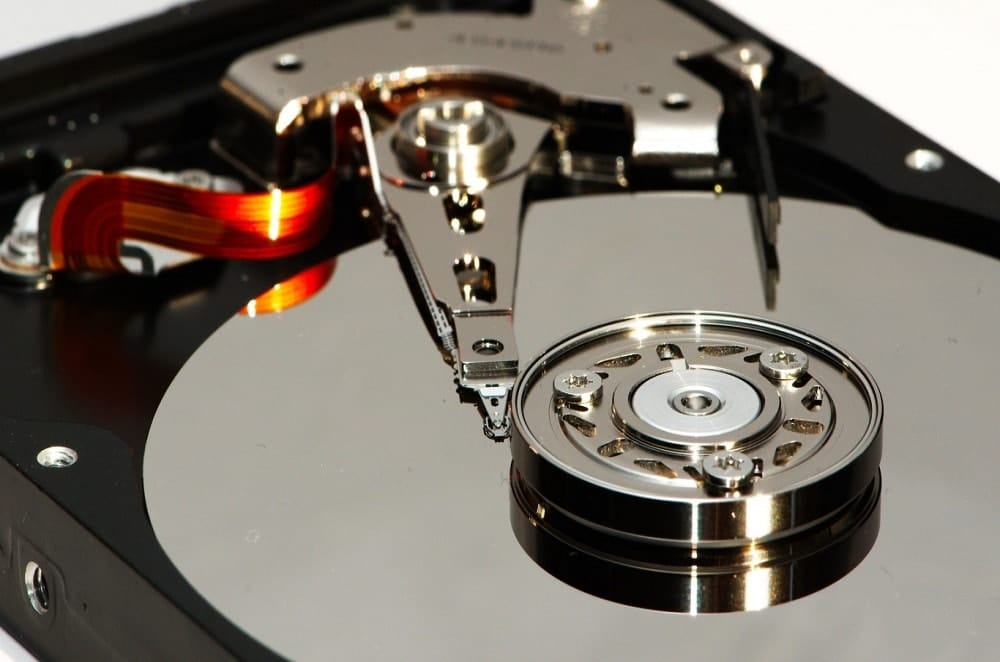
This white paper will explore NAND flash technology and its inherent problems, and explain how proper flash management algorithms can address these issues and...
SSDs deliver unmatched data center performance. As solid-state drives (SSDs) are increasingly deployed throughout the enterprise, data center and IT managers need to fully...
Falling oil prices and collapsing profit margins are driving the industry to lower costs. Reducing labor costs and gaining supplier concessions can help, but...
